
Why “how much for everything” is the one question we cannot answer first
When someone contacts us about photographing a property in Japan, the first question is almost always the same: what is the total? It is a fair question, especially if you are arranging the shoot from another country and need a number before you brief a property manager. Our honest answer is that we do not know until the property has been photographed. That is not evasion. The number of photos a listing needs varies from one property to the next, and the price follows the photos.
A studio apartment and a whole machiya townhouse need very different galleries. Even two apartments with the same floor plan differ: one sells on the balcony view, the other on a renovated bathroom. A fixed total has to absorb that difference somewhere, usually at the client’s expense.
Daisho Photography works on per-photo pricing. After the shoot, the invoice is the number of finished photos delivered multiplied by a single per-photo rate. This article explains why, how the photo count is decided, and what to send us for a realistic estimate before anything is booked.
What goes wrong with a fixed package
We have photographed properties in Osaka since around 2015, including many shoots commissioned for listings on international booking platforms. Over nearly a decade, the structural weakness of fixed-total pricing has shown up again and again.
To quote a total in advance, a photographer has to guess how many photos a property of this size needs. When the guess is wrong, one of two things happens.
- The guess was too high. The property needed fewer photos, but the total stays. You pay for images that never reach your listing.
- The guess was too low. On site, another angle or room clearly deserves a frame, but it does not fit the package. Either it goes unphotographed, or an extra charge is raised mid-shoot.
For a client overseas, the second case is the worst. You are not there to weigh the extra shot against the extra cost. The conversation happens between the photographer and whoever unlocked the door, possibly across a language barrier, and you hear about it afterwards. Fixed pricing pulls the two sides apart: one tries to stay inside the package, the other to get their money’s worth, when both should only care whether the listing gets every photo it needs.
How per-photo pricing works
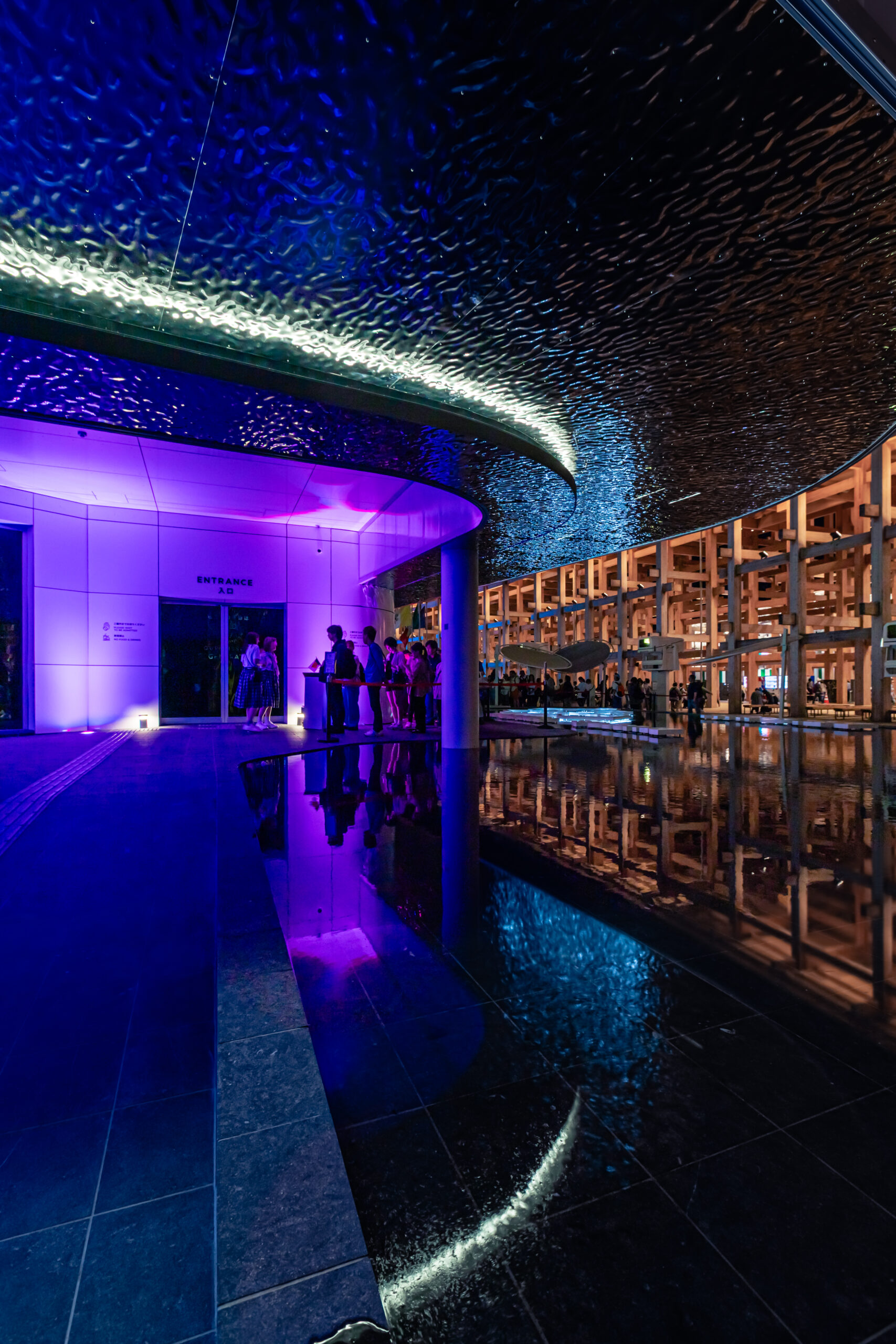
With per-photo pricing, the price is settled at the end, in four steps.
- Consultation. You tell us where the photos will be published, whether a booking platform, a real estate portal, or your own site, and share the floor plan. We reply with an estimated photo count range.
- The shoot. We photograph everything the listing needs, without treating the estimate as a ceiling. If a room needs one more frame, we take it on the spot. No one has to approve an add-on.
- Selection and finishing. From everything shot, we keep only the frames finished to a publishable standard. This is where the count is fixed.
- Invoice. Finished photos delivered, multiplied by the per-photo rate. The number of rooms, buildings, or hours does not enter into it.
The third step is what makes this fair. Any property shoot produces duplicates: the same room at two exposures, three angles of a kitchen. Only the better frame survives, and a frame that does not convey the room is dropped. You are never charged for a photo that is not worth publishing.
What determines the photo count
These are the factors that move the number.
- The platform’s gallery format. A cover image that works as a thumbnail, one wide frame per room, bathrooms, amenities, and the exterior set the baseline.
- Rooms and flow. Viewers scroll through a gallery the way they would walk through a viewing, so each room needs its establishing frame, plus frames for equipment and views.
- What sells the property. A view, a garden, a serious kitchen, a workspace. Whatever makes someone choose this property over the next gets more frames.
- Condition on the day. A tidy, prepared property needs fewer retakes. From overseas, this is the one factor within your control; a short checklist agreed with your cleaning crew or manager makes a real difference.
On properties we photograph year after year, owners and we develop a shared sense of “about this many”, and the estimate rarely misses. For a property we have never seen, the listing URL or a floor plan is usually enough to give you a range before the shoot.
What this means when you commission from abroad

Three things hold true for the client at once, and each matters more when you cannot be on site.
The invoice explains itself. One multiplication, photos times rate. No bundle to decode, no Japanese-language line items to have translated.
Cost tracks the property. A small apartment produces a small invoice; a large house a larger one, in proportion to what was photographed.
Nobody negotiates on site. “Please also shoot this” is not a change order, just one more photo on the invoice. Your manager on the ground never makes a spending decision on your behalf, and we never hold back a shot to protect a fixed price.
The trade-off is that the total is not fixed before the shoot. If you are working to a budget ceiling, tell us at the consultation stage. We rank the shots by priority and plan the coverage to land inside it, by email, before the shoot.
Start by sending us your listing and floor plan
Daisho Photography is an Osaka-based photography service covering vacation rentals, guesthouses, properties, interiors, events, and products, run in English by email from inquiry to delivery. For an estimate under per-photo pricing, send us where the photos will be published and the listing URL or a floor plan. We will reply with a photo count and the price range it implies, before you commit.
Daisho Photography (Osaka, Japan) — Hotaka Matsumura
Email: contact@daishophotography.com
Web: daishophotography.com